CONTENTS

Soft Enamel vs Hard Enamel Pins: Complete Comparison Guide
Whether you’re designing custom enamel pins for branding, merchandise, events, or collectibles, one of the first decisions you’ll face is choosing between soft enamel and hard enamel. These two styles dominate the enamel pin industry, yet they differ significantly in texture, appearance, durability, and production methods.
Understanding these differences ensures your final product matches your artistic vision, budget, and intended use. This comprehensive guide breaks down everything you need to know—from visual distinctions to manufacturing processes, cost, durability, and expert recommendations.
Quick Visual Difference Between Soft and Hard Enamel Pins
Soft Enamel Pins
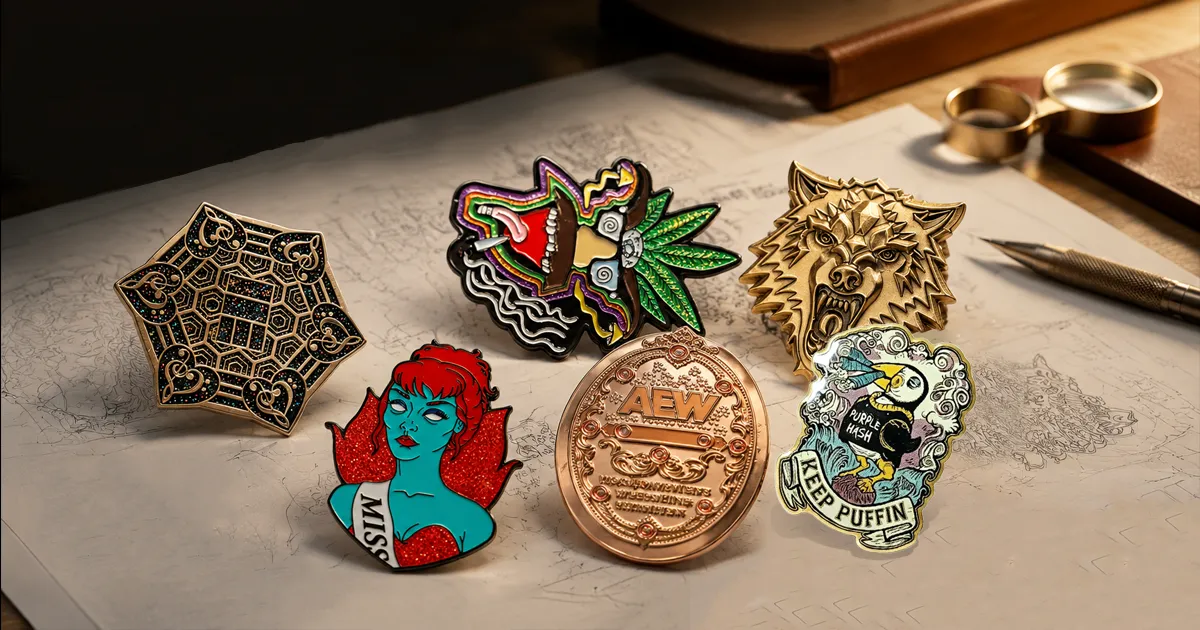
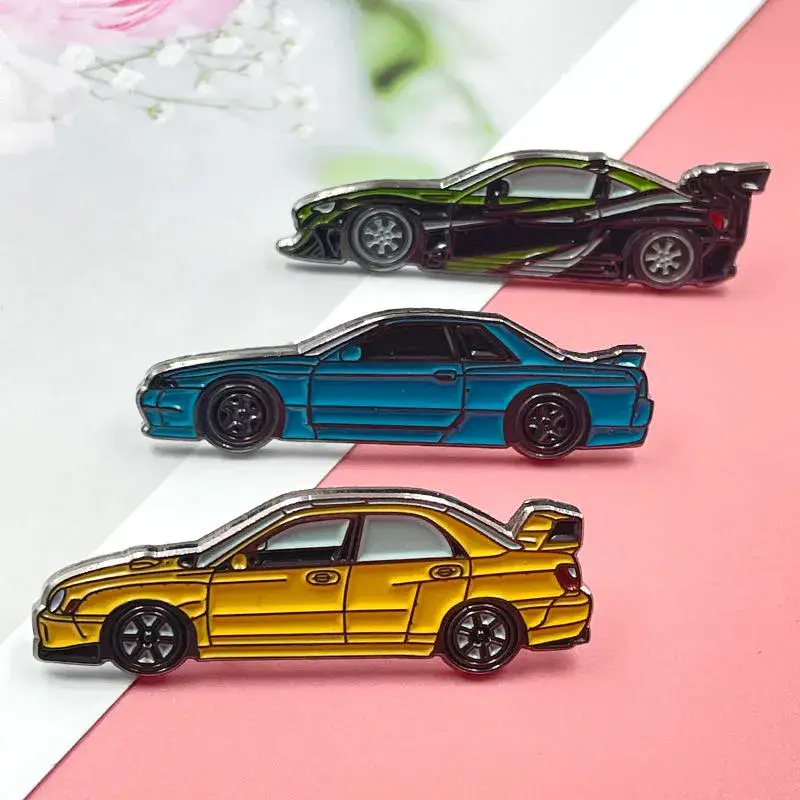
Soft enamel pins feature raised metal lines and recessed enamel, creating a textured surface that feels dimensional and tactile.
Hard Enamel Pins
Hard enamel pins have a smooth, polished surface where enamel and metal edges sit evenly, giving them a premium, glossy finish.
If you compare both types side‑by‑side, the difference becomes immediately clear—soft enamel feels textured, while hard enamel feels smooth like ceramic.
What Are Soft Enamel Pins?
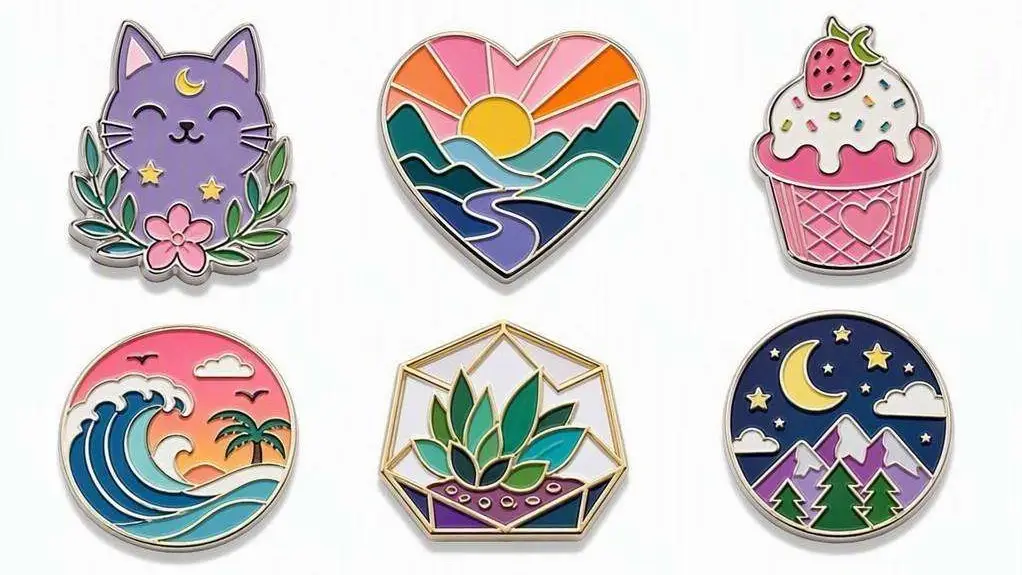
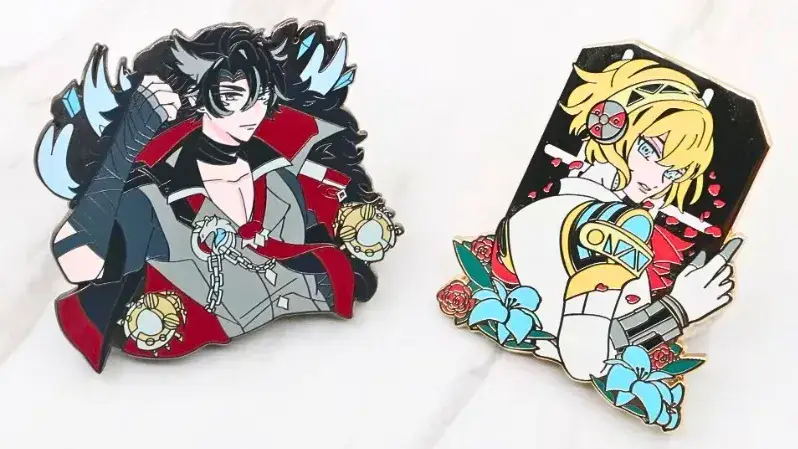
Soft enamel pins—often called die‑struck enamel pins—are created by filling recessed metal cavities with enamel paint below the raised metal edges. This results in a textured, concave‑convex surface that enhances detail and contrast.
Key Characteristics
- Raised metal edges
- Recessed enamel
- Strong texture
- Works well with detailed artwork
- Allows colored plating (black, red, blue, etc.)
- More affordable
Why Artists Love Soft Enamel
Soft enamel pins preserve sharp edges and fine details because they do not undergo polishing, which can soften intricate lines. This makes them ideal for:
- Illustrations
- Cartoon styles
- Tattoo‑inspired art
- Complex linework
- High‑contrast designs
Soft enamel also supports colored plating, enabling unique effects like black metal outlines, rainbow plating, or dyed metal finishes.
What Are Hard Enamel Pins?
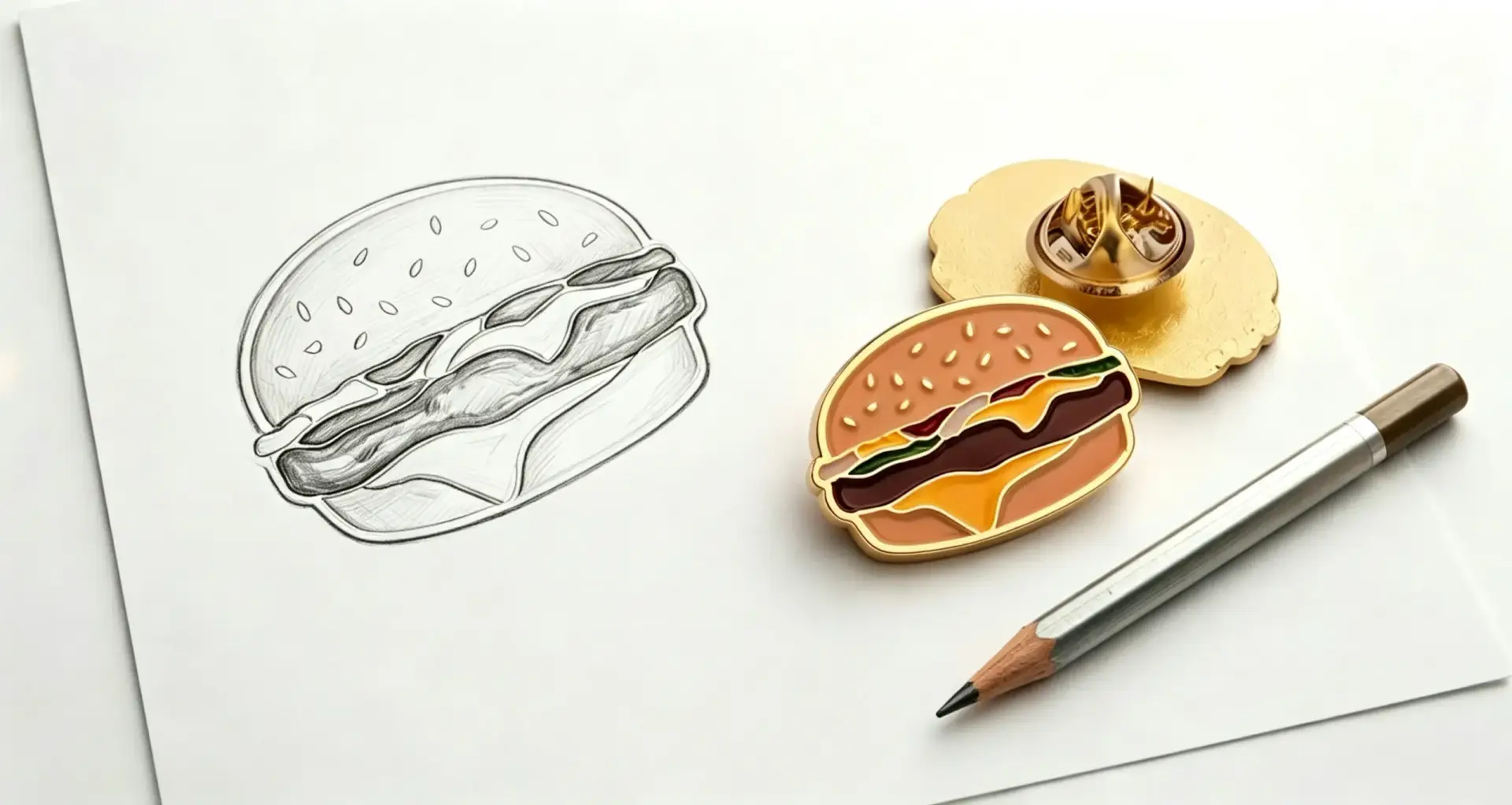
Hard enamel pins—also known as imitation cloisonné—are filled with enamel to the same level as the metal edges. After multiple rounds of baking and polishing, the surface becomes smooth, flat, and glossy.
Key Characteristics
- Smooth, polished surface
- Even enamel and metal levels
- Premium appearance
- More durable and scratch‑resistant
- Only shiny plating (gold/silver)
Why Brands Prefer Hard Enamel
Hard enamel pins offer a refined, elegant look that works well for:
- Corporate branding
- Awards and recognition pins
- Commemorative pins
- Luxury merchandise
Their durability makes them ideal for long‑term wear on bags, jackets, uniforms, and lanyards.
Cost Comparison — Soft vs Hard Enamel Pins
Soft Enamel Pins
- Lower cost
- Faster production
- Ideal for large quantities
Hard Enamel Pins
- Higher cost due to polishing and multiple baking cycles
- Longer production time
If you’re producing pins for resale, soft enamel offers higher profit margins. If you’re producing pins for prestige or long‑term use, hard enamel is worth the investment.
Enamel Pin Manufacturing Process
Both pin types begin with the same mold, but the enamel pin manufacturing process diverges after plating.
Soft Enamel Manufacturing Process
1. Die Striking
A custom mold is created and stamped into metal (iron, brass, or zinc alloy).
2. Electroplating or Dye Plating
Metal edges are plated with gold, silver, black nickel, or dyed colors.
3. Partial Enamel Filling
Enamel is added below the metal edges, creating texture.
4. Baking
Pins are baked to harden the enamel.
Hard Enamel Manufacturing Process
1. Overfilling Enamel
Each cavity is filled above the metal edges.
2. Baking After Each Color
Every color requires a separate baking cycle.
3. Polishing
Pins are polished until enamel and metal edges are perfectly level.
4. Electroplating
Only shiny metals (gold/silver) can be used.
Surface Differences of Finished Pins
Soft Enamel Pins
- Textured
- Raised metal lines
- Strong contrast
- More “artistic” look
Hard Enamel Pins
- Smooth
- Glossy
- Premium finish
- More “luxury” look
Tip: Soft enamel can be coated with epoxy to mimic a smooth surface, but it still differs from true hard enamel.
Durability — Which One Lasts Longer?
Tip: Soft enamel can be coated with epoxy to mimic a smooth surface, but it still differs from true hard enamel.
Hard Enamel Pins
- More durable
- More scratch‑resistant
- Best for long‑term wear
Soft Enamel Pins
- Slightly more prone to scratches
- Best for artistic or textured designs
If durability is your priority, hard enamel wins.
Choosing Between Soft Enamel and Hard Enamel Pins
Choose Soft Enamel Pins if you want:
- Strong texture
- Detailed outlines
- Colored plating
- Lower cost
- Artistic styles
Choose Hard Enamel Pins if you want:
- Premium look
- Smooth finish
- High durability
- Corporate or commemorative pins
Both styles are excellent—the right choice depends on your design and purpose.
FAQ
What is the main difference between soft and hard enamel pins?
Soft enamel pins have raised metal edges and a textured surface, while hard enamel pins are smooth and polished.
Are soft enamel pins actually soft?
No. “Soft” refers to the enamel filling method, not the physical hardness.
Which enamel pin type is more durable?
Hard enamel pins are more scratch‑resistant and long‑lasting.
Which style is better for detailed artwork?
Soft enamel pins preserve sharp edges and fine details.
Can soft enamel pins look smooth like hard enamel?
Yes, with epoxy coating—but they still differ from true hard enamel.
Can soft enamel pins look smooth like hard enamel?
Yes, with epoxy coating—but they still differ from true hard enamel.
Which enamel pin type is more expensive?
Hard enamel pins cost more due to extra baking and polishing.
Can the same mold be used for both pin types?
Hard enamel molds can produce both styles; soft enamel molds can only produce soft enamel.
Which is better for corporate or commemorative pins?
Hard enamel pins offer a premium, polished look ideal for professional branding.
Which is better for colorful plating?
Soft enamel pins—because polishing can damage dyed plating.
Which is better for large production runs?
Soft enamel pins—faster and more cost‑effective.
Final Thoughts
Both soft and hard enamel pins offer unique advantages. Soft enamel provides texture, detail, and affordability, while hard enamel delivers durability, elegance, and a premium finish. Your choice depends on your artwork, budget, and the final look you want to achieve.